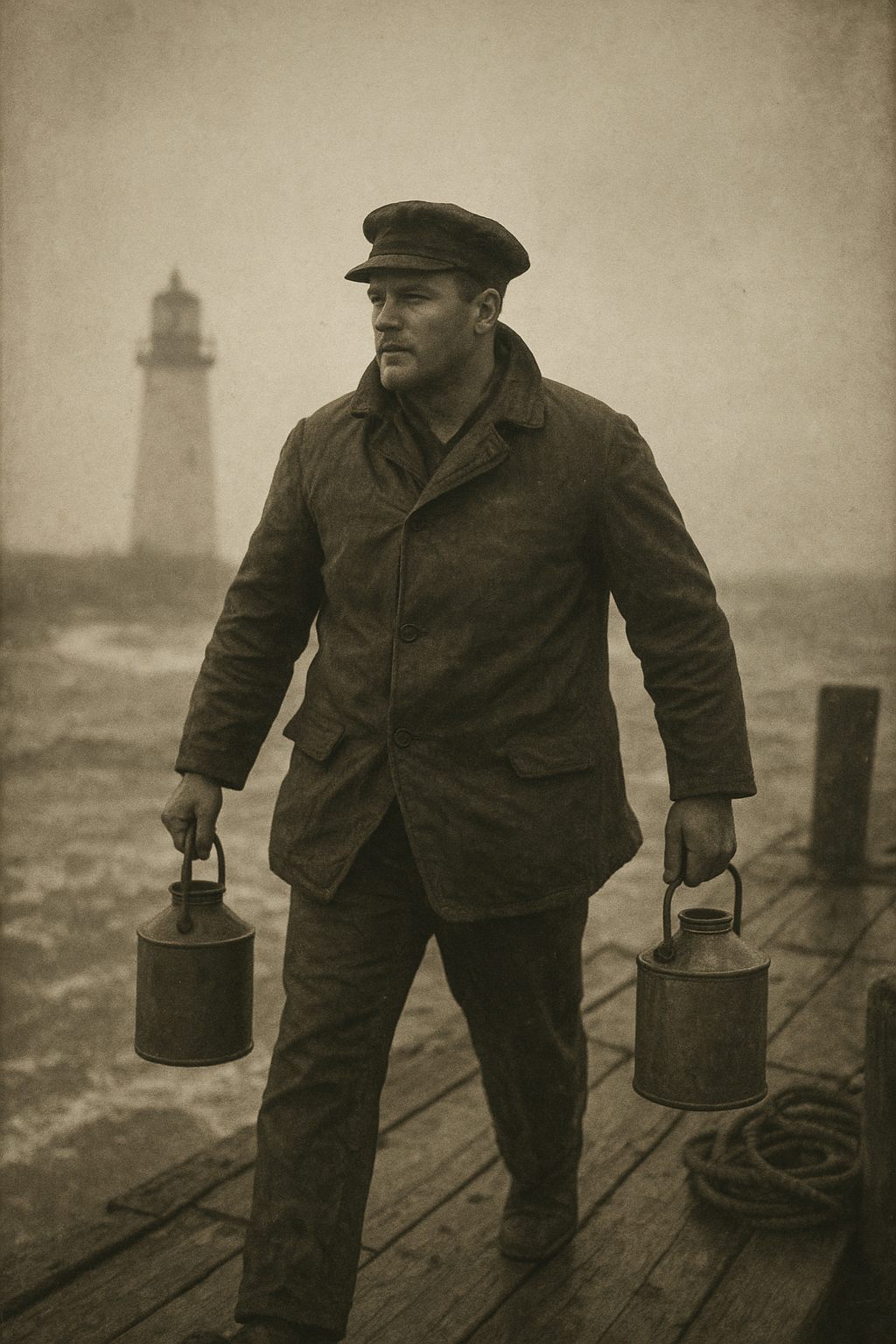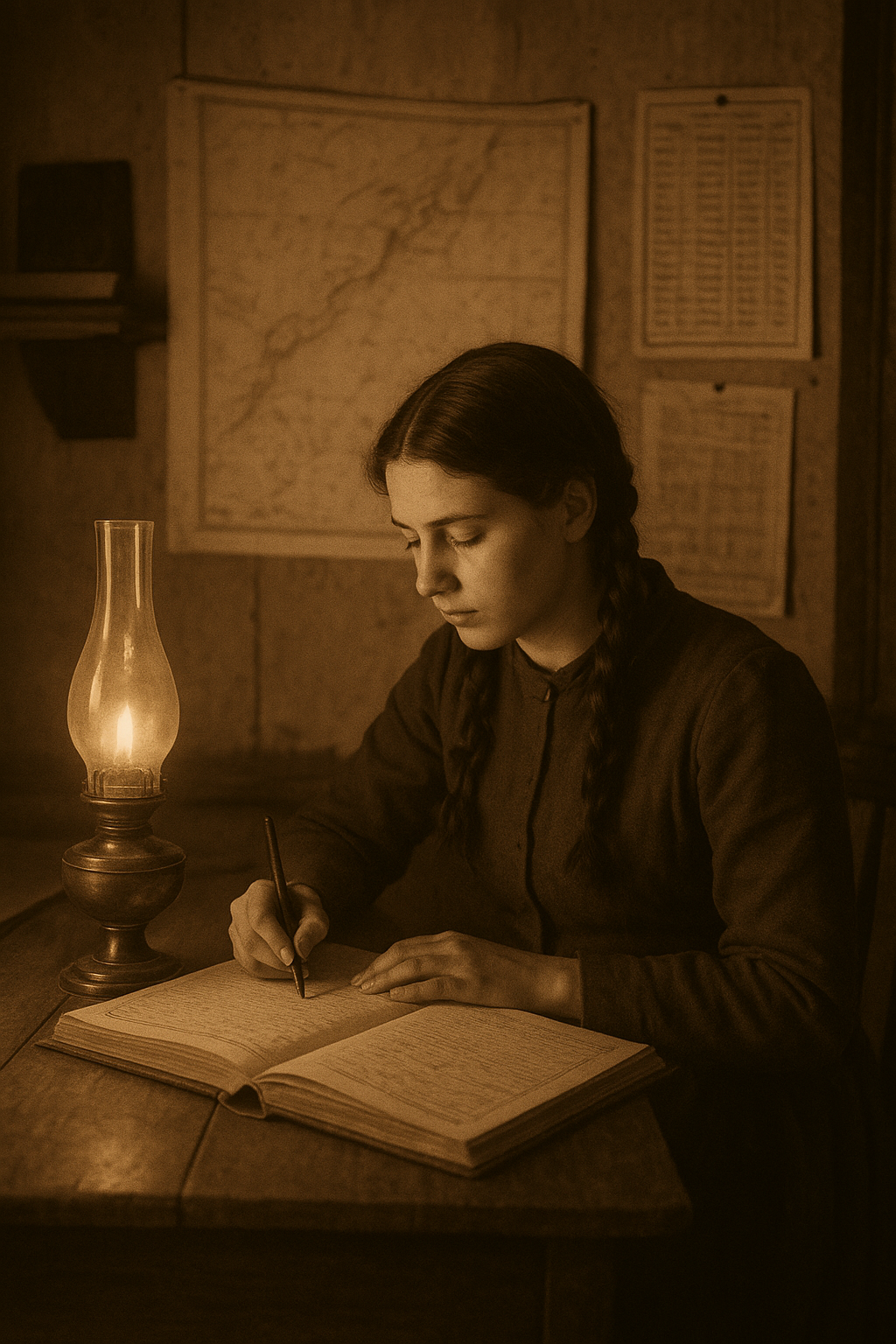
Behind every beam was a keeper, a routine, and a coast that never slept.

The towers of the northern coast were not only built of stone and iron, but of disciplined hands and daily watch. Through winter fog, storm swells, and long intervals of silence, keepers maintained the lamps, recorded the weather, and carried an unbroken duty to passing crews and neighboring settlements.

“The light was seen for miles, but the labor behind it was measured in small, repeated acts — wick by wick, log by log, night after night.”
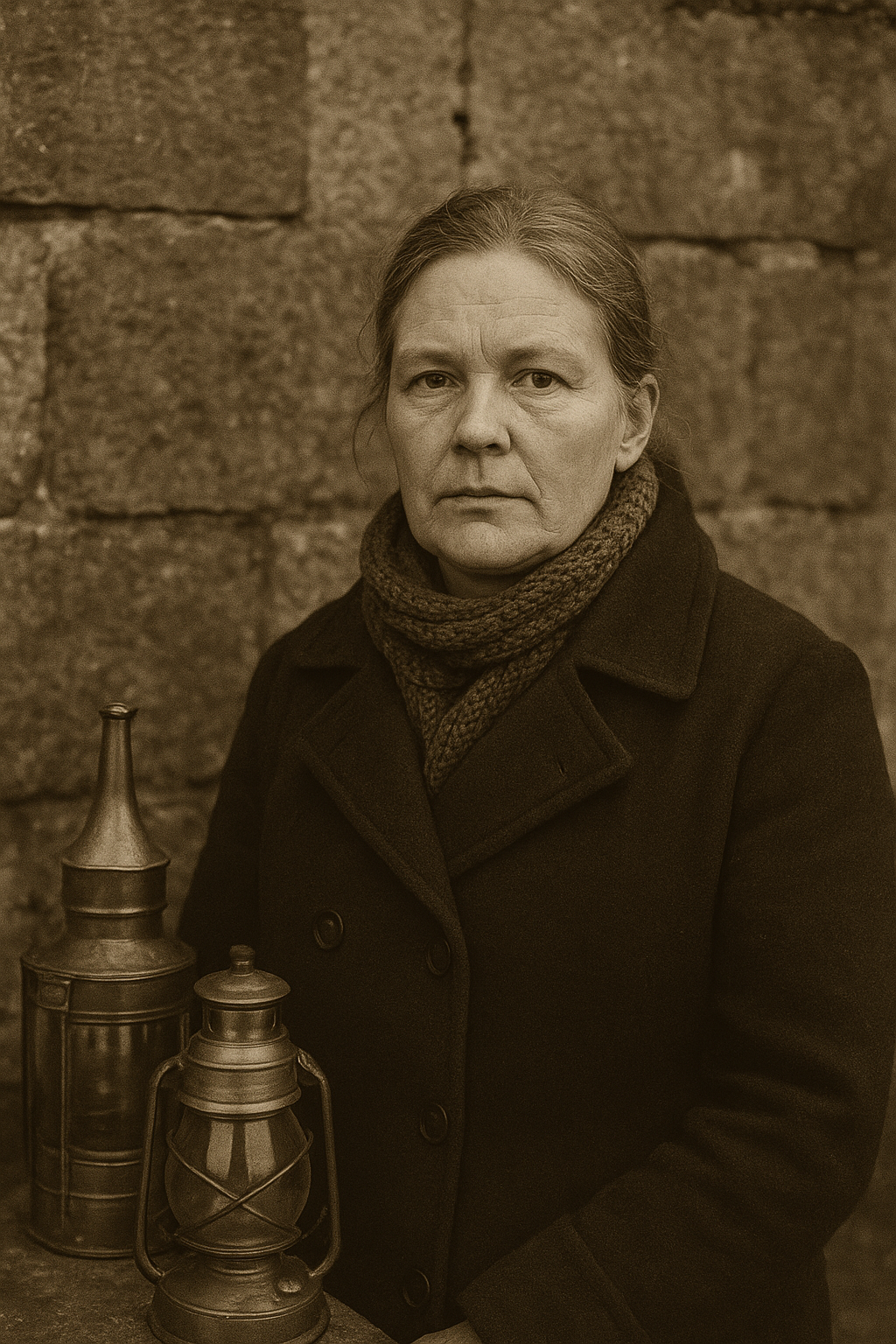
Archive field notes, northern stations

Northern Coast Chronology

Historical timeline of towers and keepers

Five moments that trace how warning lights became heritage landmarks across the northern coast.

  1. First recorded coast light

    A timber beacon at Cape Alder marks the earliest documented lighthouse watch on the northern shore.

  2. Stone towers replace timber posts

    Permanent masonry structures are raised at key headlands to withstand winter storms and ice winds.

  3. Lens modernization era begins

    New kerosene lamps and precision lenses extend visible range for merchant and fishing vessels.

  4. Fog-signal network is unified

    Radio-linked fog horns synchronize warning intervals, improving navigation during long low-visibility seasons.

  5. Preservation trust is established

    Local historians and former keepers form a trust to document, restore, and open surviving towers.